How Many Players On A Volleyball Team ?

Volleyball is a popular team sport played in schools, colleges, professional leagues, and even on the beach. Many people who are new to the game often wonder how many players are actually on a volleyball team. The answer depends on the type of volleyball being played, such as indoor volleyball, beach volleyball, or sitting volleyball.
Knowing the number of players helps you understand important parts of the game like player positions, rotations, substitutions, and basic team strategy. For example, indoor volleyball includes specialized roles like setter, middle blocker, libero, and outside hitter, while beach volleyball uses only two players who share every responsibility on the court.
Understanding team size also helps you follow the rules more easily, whether you’re watching a match, learning to play, or teaching someone the fundamentals. In the sections below, we’ll explain how many players are on the court in different volleyball formats and why this number matters for smooth gameplay and teamwork.
Standard Volleyball Team Size

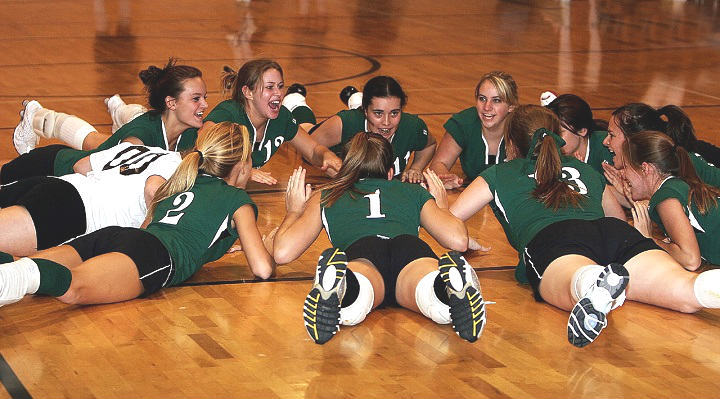
In standard indoor volleyball, each team has 6 players on the court at one time. These six players are divided into different positions, and each position has a specific role that helps the team score points and defend against the opponent. The main positions include the setter, outside hitter, opposite hitter, middle blocker, libero, and defensive specialist.
The game follows a rotation system, which means players move around the court in a clockwise direction every time their team wins a point on the opponent’s serve. This rotation ensures that every player takes turns playing in both the front row and the back row during the match.
Having six players on the court creates a balanced team structure with strong attacking, blocking, and defensive abilities. This standard format is used in school tournaments, college competitions, national championships, and international events organized by the FIVB (Fédération Internationale de Volleyball).
Team Roster Size in Indoor Volleyball
While only six players are on the court during a match, an indoor volleyball team usually has a larger roster to allow substitutions and tactical changes throughout the game. Most indoor volleyball teams include 12 to 14 players on their full roster. This gives coaches the flexibility to replace tired players, adjust strategies, or bring in specialists for certain situations.
A typical roster includes all the main positions such as setters, middle blockers, outside hitters, opposite hitters, and liberos. Teams may also have additional players like defensive specialists who rotate in when stronger back-row defense is needed. Substitution rules vary slightly between different leagues, but they generally allow multiple changes during a set to keep the team performing at its best.
A larger roster ensures that teams can maintain high intensity throughout the match, especially during long tournaments or back-to-back games. It also helps players focus on their specific roles, supports better teamwork, and gives coaches more options to create winning combinations on the court.
Beach Volleyball Team Size

Beach volleyball is different from indoor volleyball, especially when it comes to team size. Each beach volleyball team has 2 players, and there are no substitutes available during the match. This means both players stay on the sand for the entire game, sharing every responsibility – serving, attacking, blocking, digging, and defending.
Because there are only two players, there are no fixed positions like in indoor volleyball. Instead, players usually divide roles based on their strengths, such as one player focusing more on blocking at the net while the other specializes in defense and digging in the back court. Communication, stamina, and quick decision-making become even more important since there’s no extra player to cover empty space.
Beach volleyball matches are played on a smaller, sand court, and the game relies heavily on teamwork, endurance, and strong ball control. This simple two-player format is used worldwide, including in major competitions like the Olympics and FIVB Beach Volleyball World Tour.
Volleyball Players in Different Formats
Volleyball is a versatile sport that can be played in many different formats, and each format uses a different number of players along with its own style, rules, and playing environment.
Whether the game is played indoors, on the beach, on grass, or in sitting form, the number of players affects how the game flows and what roles each athlete takes on.
Understanding these variations helps beginners, students, and new fans easily choose the version of volleyball that fits their skill level and interest.
1. Indoor Volleyball (6v6)
Indoor volleyball is the most popular version of the sport and is played with 6 players on each team. The game takes place on a hard court and includes specialized positions such as setter, outside hitter, opposite hitter, middle blocker, libero, and defensive specialist.
Players rotate around the court in a clockwise direction after winning a rally on the opponent’s serve. This format emphasizes team coordination, fast attacks, strong blocks, and organized defensive systems. Indoor volleyball is widely seen in school tournaments, college leagues, professional championships, and FIVB international competitions.
2. Beach Volleyball (2v2)
Beach volleyball is played on sand with 2 players per team, and substitutions are not allowed. Because there are only two players, both must handle all responsibilities like serving, passing, setting, attacking, digging, and blocking.
There are no fixed positions like libero or defensive specialist in this format. Instead, players usually split responsibilities, with one player focusing more on blocking at the net and the other specializing in back-court defense. The sandy surface requires more stamina, agility, and strong communication. This format is featured in major events like the Olympics and FIVB Beach Volleyball World Tour.
3. Sitting Volleyball (6v6)
Sitting volleyball uses 6 players on each side, similar to indoor volleyball, but it is played on a smaller court with a lower net. Athletes must keep part of their body, usually their hips, in contact with the floor while playing.
This format is known for its extremely fast rallies and quick movements, despite players remaining seated. It is a major event in the Paralympic Games and promotes inclusivity by allowing athletes with physical disabilities to compete at a high level.
4. Grass Volleyball (3v3 or 4v4)
Grass volleyball is a popular outdoor version of the game, often played in parks, festivals, and social tournaments. Teams usually consist of 3 or 4 players, depending on the event or league rules.
Because there are fewer players than the indoor format, each athlete gets more ball touches and must cover a larger area of the court. Grass volleyball is fun, flexible, and great for improving all-around volleyball skills like setting, passing, and attacking.
5. Co-ed Volleyball (6v6)
Co-ed or mixed-gender volleyball typically uses 6 players per team, with rules that ensure a minimum number of male and female players on the court.
This format encourages teamwork, communication, and equal participation regardless of gender. It is commonly seen in community leagues, school events, and recreational competitions. Co-ed volleyball maintains the same basic rules as indoor volleyball but adds friendly and inclusive elements to promote balanced gameplay.
Why the Number of Players Matters
The number of players in any volleyball format is important because it shapes how the game is played, how players move, and what roles each person takes on. Every version of volleyball, such as indoor volleyball, beach volleyball, sitting volleyball, or grass volleyball, is designed around a specific team size to keep the game organized and fair.
1. Defines Player Roles
In indoor volleyball, 6 players allow teams to use important positions like setter, middle blocker, outside hitter, opposite hitter, libero, and defensive specialist. These roles help teams attack, defend, block, and organize plays effectively.
In smaller formats like beach volleyball, there are only 2 players, so both athletes must perform every skill such as serving, hitting, blocking, and digging.
2. Controls Court Coverage
The number of players affects how much space each person must cover.
Indoor volleyball players share responsibilities across zones.
Beach volleyball players cover the entire sand court with just two people, which requires more stamina and strong communication.
Grass volleyball formats like 3v3 or 4v4 give players more touches and more movement.
3. Shapes Team Strategy
Team size influences how strategies are created.
Indoor teams can run quick sets, double blocks, back-row attacks, and organized rotations.
Beach volleyball relies more on placement shots, ball control, and reading the opponent because there are fewer players.
4. Supports Fair and Organized Gameplay
Standard team sizes, such as 6v6 indoors and 2v2 on the beach, help maintain fairness in competitions run by organizations like the FIVB and the Olympics. The rules, rotations, and scoring systems are all built around these team structures.
Conclusion
Knowing how many players are on a volleyball team helps you understand how the sport works across different formats. Indoor volleyball uses 6 players on the court, beach volleyball is played with 2 players, sitting volleyball also uses 6 players, and outdoor formats like grass volleyball can have 3 or 4 players.
Each team size creates its own style of play, roles, and strategies, from the specialized positions in indoor volleyball to the all-around skills needed in beach volleyball.
Whether you are a beginner, a student learning the game, or someone watching volleyball for the first time, understanding team sizes makes it easier to follow the rules, enjoy the matches, and appreciate the teamwork involved. No matter the format, volleyball remains a fast, exciting, and highly cooperative sport built on communication, skill, and strong team effort.
Related Searches
- Beach Volleyball Court Dimensions and Specifications
- Can You Kick the Ball in Volleyball?
- What Is an Ace in Volleyball?
- Can You Touch the Net in Volleyball?
- How many sets are in a volleyball game?
- Volleyball Team Name: Funny, Creative and Unique

I’m James Ritter, a sports enthusiast. I’ve played sports since school, and now I enjoy writing about them. My goal is to inspire aspiring athletes through stories of success and determination. I believe anyone can achieve greatness with the right guidance. I aim to make a positive impact on the sports community by sharing stories and insights, connecting my love for sports and writing. Join me on this journey of inspiration for all sports lovers.